Paleontology or palaeontology is the study of prehistoric life forms on Earth through the examination of plant and animal fossils. This includes the study of body fossils, tracks (ichnites), burrows, cast-off parts, fossilised feces (coprolites), palynomorphs and chemical residues. Because humans have encountered fossils for millennia, paleontology has a long history both before and after becoming formalized as a science. This article records significant discoveries and events related to paleontology that occurred or were published in the year 1996.
Plants
Angiosperms
Arthropods
Newly named crustaceans
Newly named insects
Fish
Cartilaginous fish
Research
- Duffin et al (1996) describes chondrichthyan remains from the Itaituba Formation of the Amazon Basin of Brazil and deems Anachronistes to be a junior synonym of Cooleyella.
New taxa
Amphibians
Temnospondyls
Plesiosaurs
New taxa
Dinosaurs
- In the summer excavation resumed on the Talkeetna Mountains Hadrosaur, discovered in a quarry near the Glenn Highway, approximately 150 miles northeast of Anchorage.
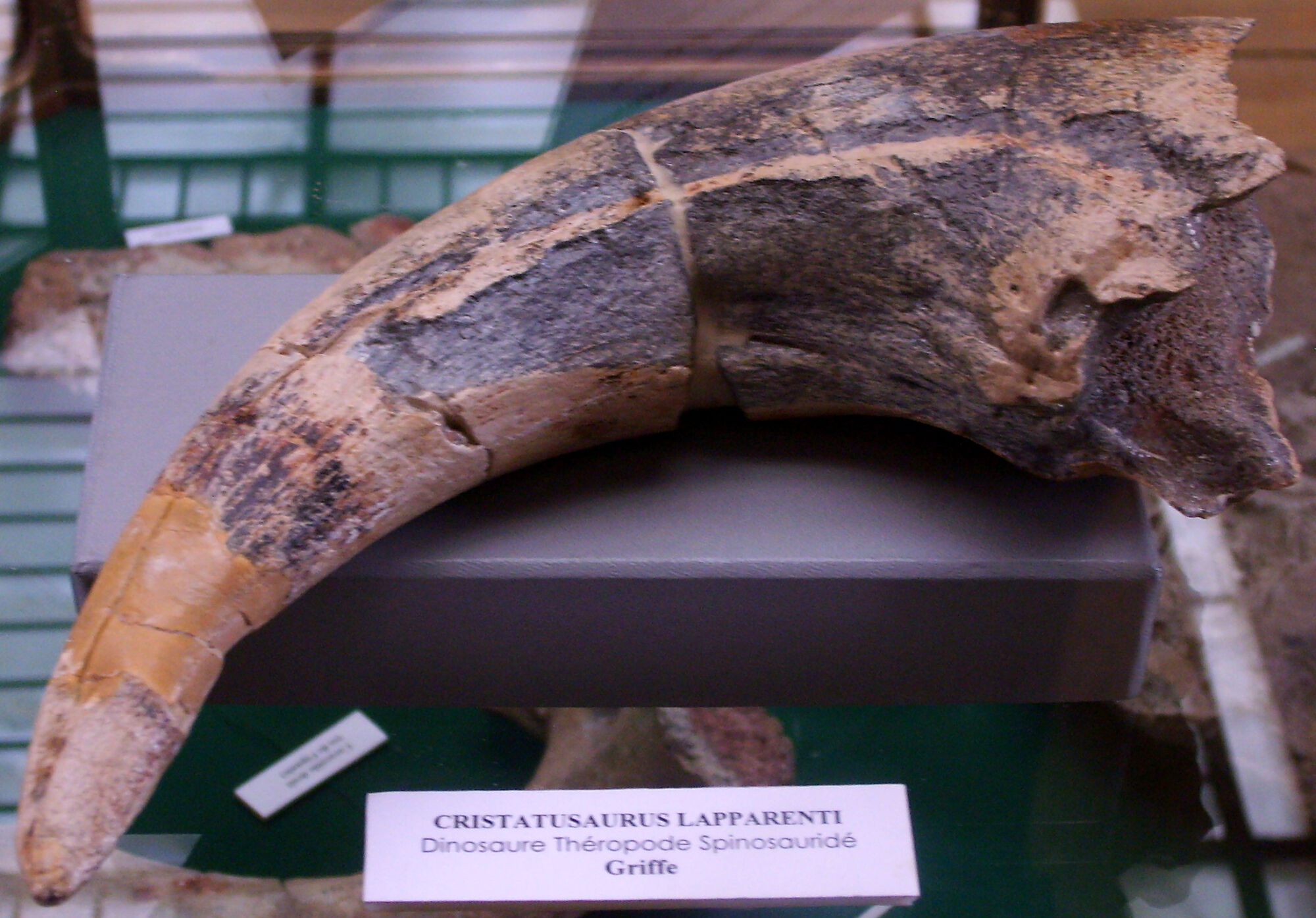
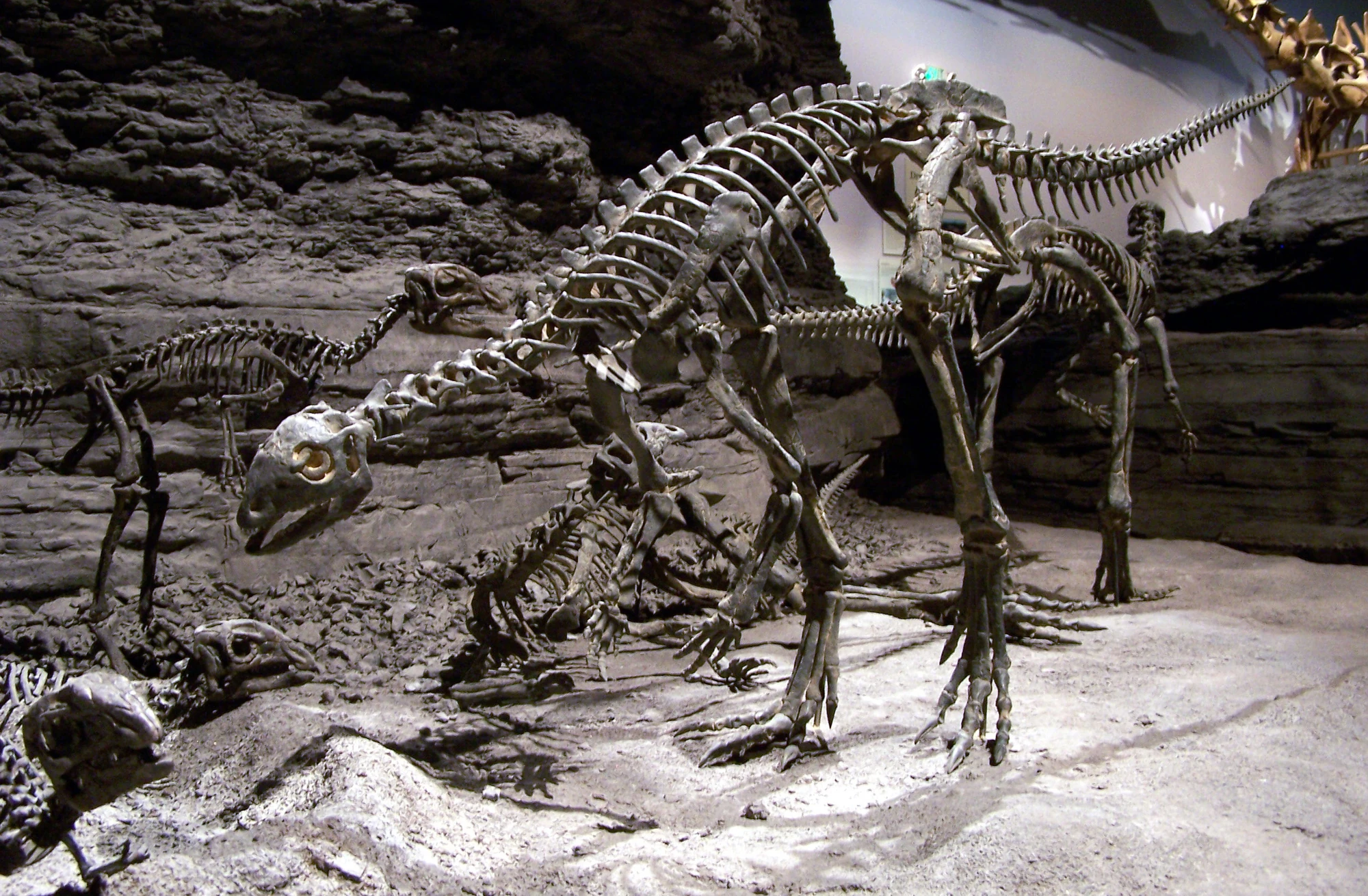
Newly named dinosaurs
Data courtesy of George Olshevsky's dinosaur genera list.
Birds
Newly named birds
Pterosaurs
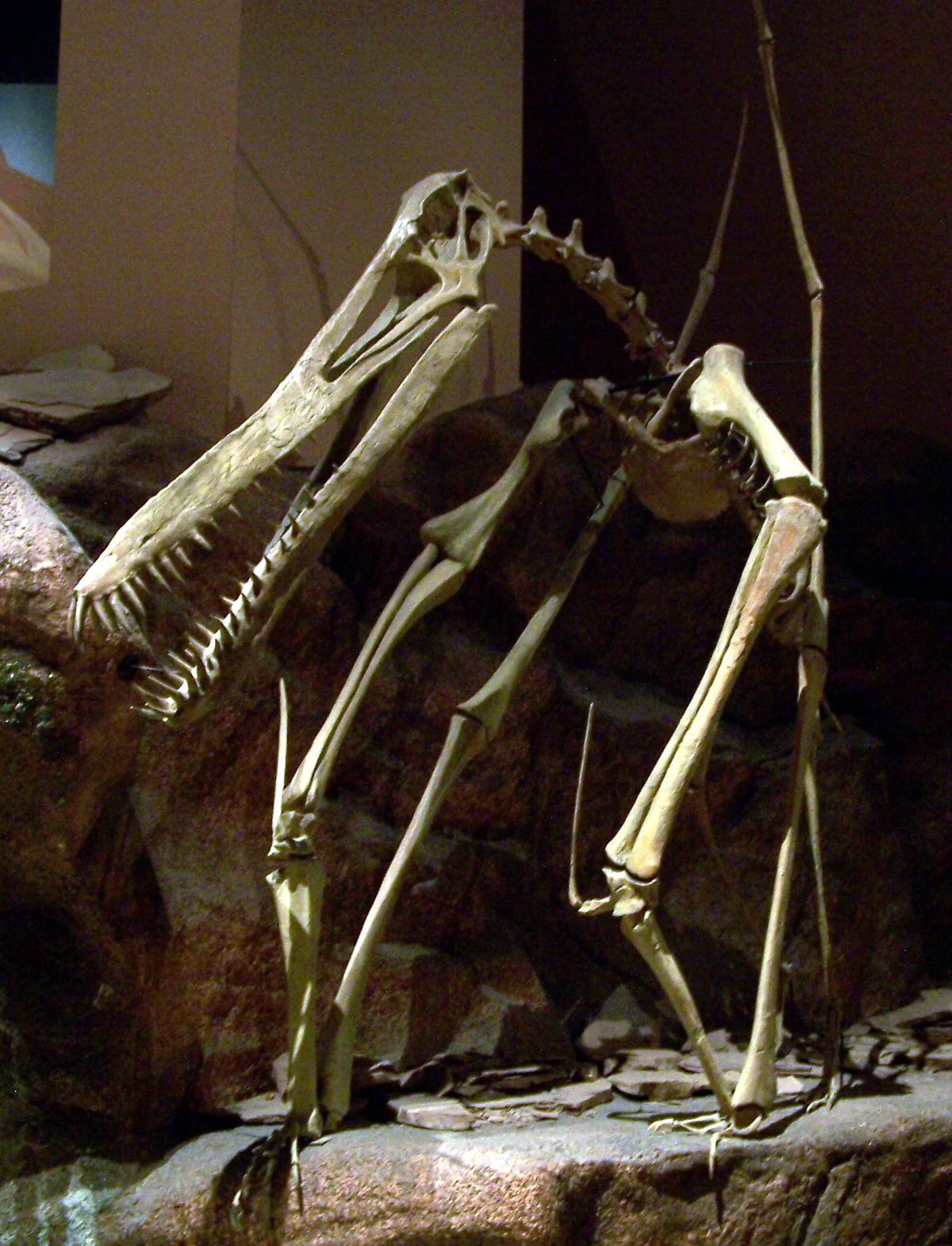
New taxa
Fossil eggs
New ootaxa
Synapsids
Mammals
New taxa
Footnotes
References
- Pasch, A. D., K. C. May. 2001. Taphonomy and paleoenvironment of hadrosaur (Dinosauria) from the Matanuska Formation (Turonian) in South-Central Alaska. In: Mesozoic Vertebrate Life. Ed.s Tanke, D. H., Carpenter, K., Skrepnick, M. W. Indiana University Press. Pages 219–236.